5 Proven Reasons a Compact Track Loader Wins on Soft Ground
You have a job site with soft ground. The soil is wet. The mud is deep. You need a machine that works. A skid steer sinks, which is exactly why a compact track loader wins on these sites.
A compact track loader wins on soft ground because tracks distribute weight better. Tracks grip the surface and keep you moving.
Here are five proven reasons a compact track loader wins against wheeled machines in difficult terrain.
A skid steer sinks in soft ground. The tires have a small footprint, meaning each tire contacts the ground over a very small area. The weight concentrates heavily on those four spots. The tires push deeply into the mud, and the machine gets stuck. This is where a compact track loader wins.
A track machine uses a much larger footprint. A 2,500-pound skid steer with a tire footprint of 80 square inches puts roughly 31 pounds of pressure per square inch on the ground. A track loader weighing the exact same with a track footprint of 400 square inches puts only 6.25 pounds per square inch on the ground.
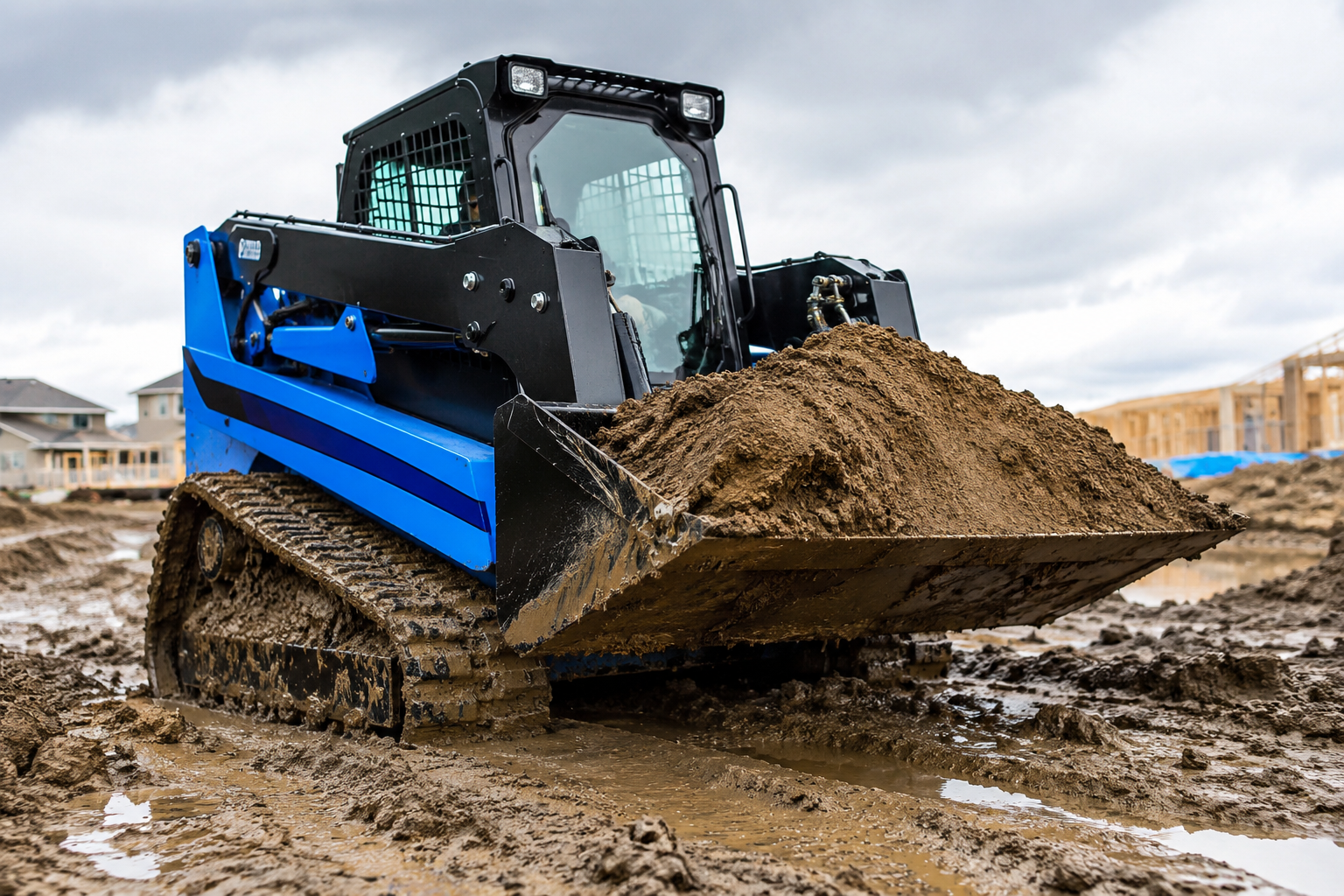
That 80 percent reduction in ground pressure changes everything. The machine floats beautifully over soft soil. The tracks do not dig in, allowing the machine to move forward without losing traction. Whether you work on wet grass, muddy construction sites, or freshly filled soil, a compact track loader wins every time. The machine stays on top, and you keep working.
Tires spin in mud. The tread pattern immediately fills with dirt, the tire loses grip, and the machine stops moving entirely.
Tracks feature continuous tread patterns. The larger surface area stays clean longer, allowing the treads to bite into the soil and pull the machine forward. When you climb a wet slope with a skid steer, the tires spin. You try again, spin more, slide backward, and eventually call for a tow.
A track machine easily climbs the same slope. The tracks grip the surface, moving up the hill without stopping. The traction difference is highly visible, proving a compact track loader wins in conditions that completely stop wheeled machines. Operators stay productive because they do not waste hours getting unstuck.
You load a bucket of wet dirt. You lift the bucket, and the weight shifts dramatically to the front. Your skid steer sinks immediately. The front tires push deep into the mud, and you cannot move forward.
A compact track loader wins because the tracks support the load safely. The machine does not sink. You can lift, turn, and move without any issue.
This matters heavily when you carry large loads. The machine must support both its own weight and the material in the bucket. Tracks distribute this combined weight over a massive area, keeping the ground pressure low. You carry 2,000 pounds of gravel, and the machine moves easily while the skid steer struggles. You see the difference clearly and understand why a compact track loader wins during daily production tasks.
You have a lucrative job on a golf course. The grass is delicate, the ground is soft, and you cannot damage the turf.
A skid steer leaves deep ruts as the tires dig into the grass. You spend hours repairing the damage after each job, the customer complains, and you lose the account.
A compact track loader wins by protecting the site. It leaves minimal marks because the tracks distribute weight evenly. The grass stays intact, the customer approves, and you get more referral work. The same applies to residential lawns, city parks, and athletic fields. You work on soft ground without destroying the surface.
You work on a slope. The machine tilts to one side, you feel unsafe, and you constantly worry about tipping.
A skid steer on a slope is highly unstable. The tires have limited side grip, causing the machine to slide downhill. You stop work and reposition constantly.
A track machine stays stable because the tracks provide immense side bite. The machine stays perfectly on line so you can work safely and finish faster. This matters on road shoulders, dam embankments, and trench slopes. A compact track loader wins by giving you stability and confidence.
A construction company worked on a wetland site. They started with a skid steer, but the machine sank repeatedly. They lost two hours per day to recoveries. They switched to a track machine, proving a compact track loader wins on wetland sites. The machine worked all day without a single recovery, and they finished the job three days early.
A farm operation needed to move feed in wet, sloppy pastures. The skid steer could not reach the feed bales, sinking each time the operator tried. They brought in tracks. The machine crossed the pasture without issue, and the feed was delivered on time, showing exactly how a compact track loader wins in agriculture.
Compact track loaders certainly cost more than skid steers. The purchase price is higher, and the maintenance costs are higher since tracks need replacement and undercarriage parts wear out.
But you pay for performance. A track machine works in conditions where a skid steer absolutely cannot. You save heavily on recovery costs, downtime, and expensive site repair.
Calculate your cost per hour on a soft ground job. A skid steer runs for 4 hours and gets stuck for 2 hours. You only bill 4 hours of work, meaning your effective production is just 67 percent.
A track machine runs for 6 hours without getting stuck. You bill 6 hours of work, meaning your effective production is 100 percent. A compact track loader wins financially when you factor in avoided downtime and increased daily revenue.
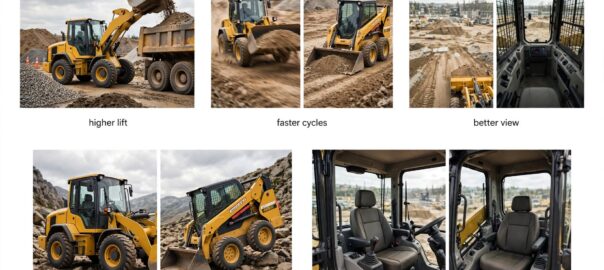
Skid steers absolutely have advantages. They work incredibly well on hard surfaces, load trucks faster, cost less upfront, and maintain easier.
Choose a skid steer if you work strictly on pavement. Choose a skid steer if you work on gravel. Choose a skid steer if your job site stays dry. But remember a compact track loader wins if your job site has mud, requires you to work on slopes, or demands you protect a sensitive surface.
Rent a track loader for a week. Run it on your softest job site. Watch the machine work, time your cycles, and measure your production. Then rent a skid steer for the same job site. The comparison will be obvious.
The compact track loader wins on soft ground. The difference is clear. The machine performs, saves time, and ultimately saves money by keeping you out of the mud.
- Unstoppable in deep mud and wet clay
- Superior stability on side slopes
- Minimal damage to delicate turf
- Excellent load-and-carry floatation
- Working exclusively on hard asphalt
- Constant movement on abrasive gravel
- Jobs requiring fast road travel speeds
- When minimizing initial purchase cost
When it comes to mud and delicate turf, a compact track loader wins easily. Buy the right tool for your conditions. Your operators will thank you, your customers will thank you, and your profit margin will improve.
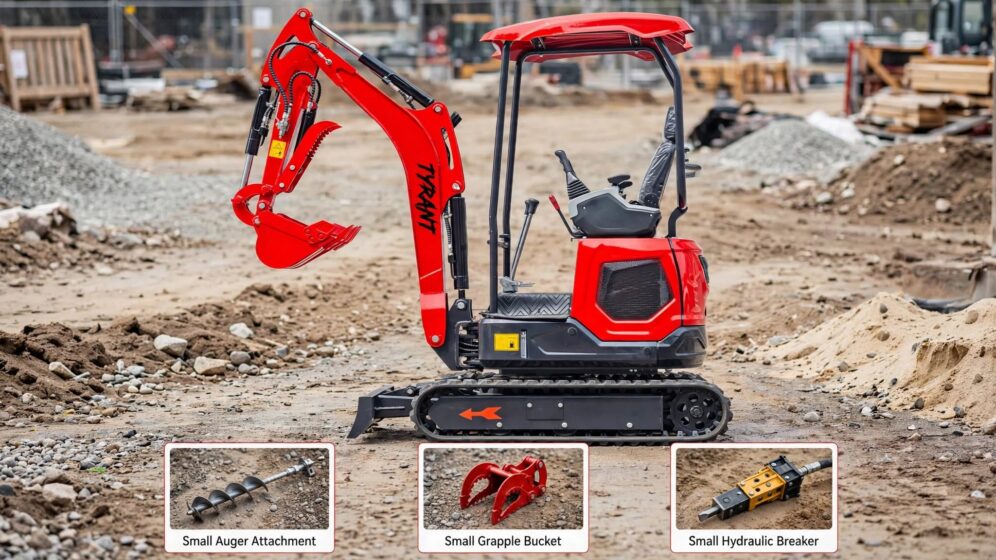
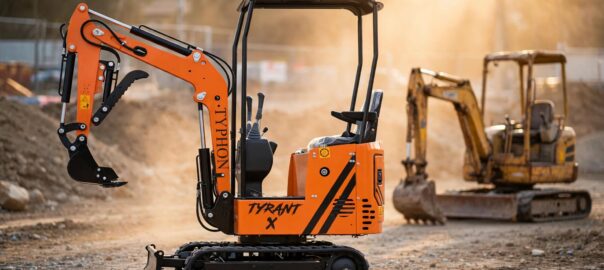
Looking to expand your heavy equipment fleet? Check out the powerful Typhon Terror XVII Pro 3800-lb Mini Excavator. Featuring a Kubota D902 Diesel engine, hydraulic thumb, and 14KN of dig force for your toughest jobs.
View Equipment Specs →