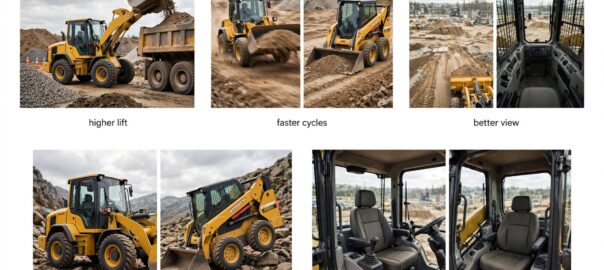
Compact wheel loader maintenance starts with a simple walk around. Look at the hoses. Look at the tires. Check under the loader for drips. Ten minutes spent now equals ten hours saved later.
Breakdowns always start small. A dry pin, a clogged radiator, low oil, a soft tire, or a skipped service. Effective compact wheel loader maintenance prevents breakdowns by catching these small issues early. Five daily habits catch them before they escalate. Each takes only minutes.
Mastering compact wheel loader maintenance keeps the loader earning. This guide outlines the exact daily steps required to keep your machine out of the shop and perfectly productive on the job site.
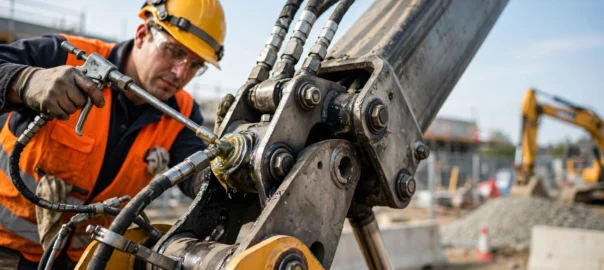
The first rule of compact wheel loader maintenance is greasing. The articulation joint carries the full weight of the loader. Every turn loads the pins. Dry pins wear fast, causing metal to grind against metal until the joint loosens permanently.
Wipe the fitting first. Dirt on the fitting goes directly into the pin bore, grinding the bushing like sandpaper. Clean fittings push grease exactly where it belongs, which is integral to proper compact wheel loader maintenance.
Pump until fresh grease appears. Old grease holds harmful grit, and fresh grease naturally pushes the old grease out. Grease the steering cylinder pins too. Same load. Same wear. A worn rod end heavily damages the cylinder. A cylinder costs far more than the grease used during routine compact wheel loader maintenance.
In freezing weather, grease thickens. Store the grease gun inside overnight so warm grease reaches the pin bore efficiently.
Another crucial aspect of compact wheel loader maintenance is cleaning the cooling stack. Dust rapidly fills the radiator fins, stopping air movement. Engine temperatures climb, hydraulic oil runs hot, and transmission fluid overheats.
Blow the fins out from the engine side, directing the air against the normal airflow. Hold the nozzle at a safe distance, as high pressure folds the fragile fins flat. Ignoring this compact wheel loader maintenance step leads to instant overheating.
Check the fan blades. Cracks turn into broken pieces that strike the radiator. Clean the oil cooler too, which sits near the radiator facing the same dust. Hot hydraulic oil thins out and completely stops protecting the pump. Two shifts without this compact wheel loader maintenance starts overheating.
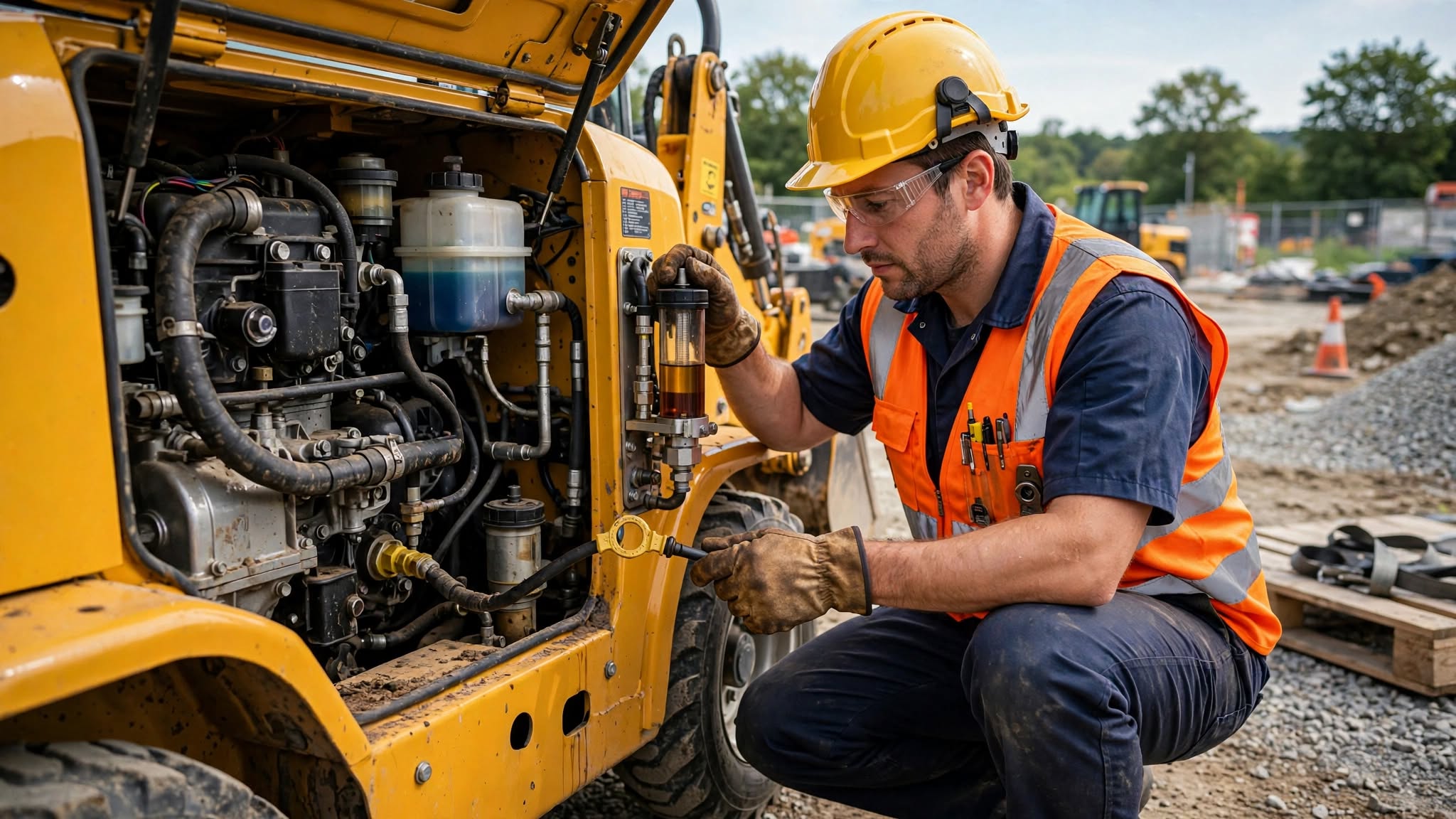
Daily fluid checks are non-negotiable in compact wheel loader maintenance. Park on level ground, shut the engine off, and wait five minutes for fluids to drain back to the pan.
Pull the engine oil dipstick, wipe it, and push it in fully before reading. Use the exact manual grade, because the wrong oil foams and wears internal parts. Transmission fluid checks differ by model—some machines need the engine running, some need it off. A wrong check gives a wrong reading, hurting your compact wheel loader maintenance efforts.
Check the hydraulic sight glass. Low oil makes the pump whine, and air bubbles damage the internal components. Finally, look under the machine. Fresh spots mean trouble. Find the source and fix it early as part of proactive compact wheel loader maintenance.
Tire inspection is a core pillar of compact wheel loader maintenance. Read the pressure with a proper gauge; skip the boot kick test. Soft tires flex, heat up, and wear out fast, while hard tires ride rough and lose their critical grip.
Check the tread depth. Worn tires slip terribly on wet ground, causing the loader to struggle heavily on slopes. Replace at the wear bars to keep your compact wheel loader maintenance up to standard.
Look at the sidewalls for age-related cracks or bulges indicating cord damage. Check wheel nuts with a torque wrench to prevent dangerous wobbling. Measure pressure while the tires are perfectly cold. Measure before the shift starts for accurate compact wheel loader maintenance.
Following the hour meter is the backbone of compact wheel loader maintenance. The hour meter counts the exact work, and the manual strictly lists tasks by these hours.
Standard Intervals: At 50 hours, change engine oil. At 250 hours, change hydraulic and fuel filters. At 500 hours, change hydraulic oil and transmission fluid. At 1,000 hours, inspect articulation bushings. A small part now stops a big repair later, proving the value of compact wheel loader maintenance.
Write it all in a logbook. Date, hours, tasks, and parts. The log proves the work happened, raising the resale value. Keep common filters directly on your shelf because a change takes ten minutes, whereas an order takes days.
Good compact wheel loader maintenance hits known failure points directly. Dry joints fail, blocked radiators overheat engines, low oil kills pumps, and bad tires cause terrible accidents.
The cost of skipping compact wheel loader maintenance is huge. A new loader carries a five-figure price, and a major rebuild costs thousands more. Downtime easily costs $500 to $1,500 per day.
One contractor tracked three years. He followed the habits, and repairs averaged $500 per year with one day of downtime. A competitor skipped compact wheel loader maintenance. Repairs averaged $4,000, and downtime averaged ten days. The gap hit an incredible $12,500 per year.
The operator is your first line of defense in compact wheel loader maintenance. They see the loader daily, hear new noises first, and feel soft tires before anyone else.
Walk new operators strictly through the five habits. Hand out a daily checklist, requiring them to mark each task and sign it. Acting early on warning signs defines excellent compact wheel loader maintenance.
If the temperature gauge climbs, the loader arms move slowly, or the transmission slips under heavy load, act immediately. A $40 hose replacement stops a $1,500 pump failure.
Proper storage complements daily compact wheel loader maintenance. Park under cover when possible to prevent sun from cracking tires and rain from rusting pins. Keep the bucket firmly on the ground to avoid cylinder damage, and park on level ground so oil doesn’t pool on one side.
Fill the fuel tank fully before storage to keep condensation out, preventing internal tank rust. Always disconnect the battery for long-term storage.
In the end, compact wheel loader maintenance relies on these five habits. Grease the joint, clean the cooling stack, check the fluids, inspect the tires, and religiously follow the hour schedule.
- Pump fresh grease into articulation pins
- Blow out radiator and oil cooler fins
- Check engine oil, hydraulic, and coolant levels
- Visually inspect and gauge all four tires
- Catastrophic hydraulic pump failures
- Costly engine overheating damage
- Loose, dangerously worn pivot joints
- Unexpected job site tire blowouts
Each habit takes mere minutes, but together they completely stop costly repairs. Start your compact wheel loader maintenance routine today. The loader runs better, lasts much longer, and consistently keeps earning.
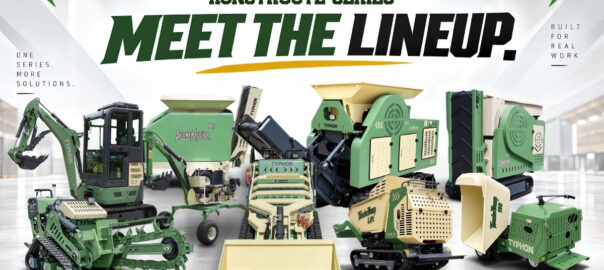
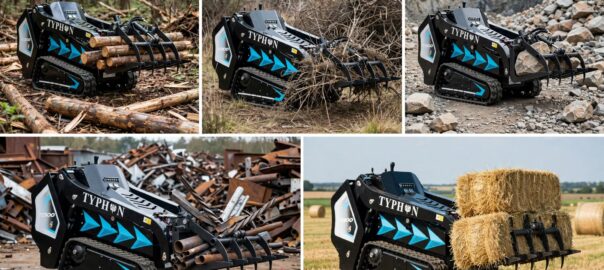
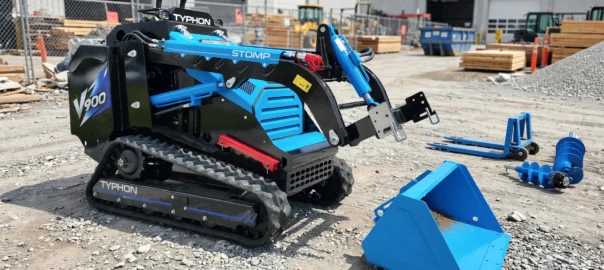
Looking for a low-maintenance, high-performance machine? The New TYPHON MZVT Compact Tri-Wheel Loader features a reliable Honda GX690 V-Twin engine and accessible service points to make daily upkeep effortless.
View Loader Specs →