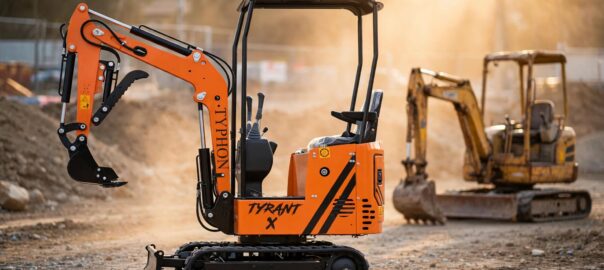
Mini excavator attachment ROI starts with one machine and one bucket. The owner thinks the machine works at full capacity. That is not true. A single mini excavator attachment handles dozens of jobs. Each mini excavator attachment adds capability. Each capability adds revenue.
Three attachments deliver the highest return. They transform a digging machine into a multi-purpose tool. They double the machine value. Every mini excavator attachment discussed here opens new markets. They pay for themselves quickly.
A thumb clip is a mini excavator attachment that mounts on the excavator arm. It works opposite the bucket. The bucket curls toward the thumb. The thumb curls toward the bucket. Together they grab objects.
Without a thumb, the excavator only scoops. Loose material falls off the bucket. Rocks roll away. Branches slip out. The operator cannot hold anything. With a thumb, the excavator becomes a grabbing tool. It picks up rocks. It lifts logs. It holds pipes. It carries debris. The operator controls the grip with the same joystick.
The applications are wide. Land clearing companies use thumbs to remove brush. They grab trees and pile them. They load debris into trucks. The thumb reduces manual labor. Workers do not handle heavy branches by hand. Construction crews use thumbs for rock removal. Utility crews use thumbs for pipe handling, improving safety so workers stay out of the trench.
The cost of a thumb clip ranges from $500 to $1,500. This mini excavator attachment pays for itself in one or two jobs. A single rock removal job can earn $500. A pipe installation job can earn $1,000. The thumb delivers immediate return. Installation is straightforward and maintenance is minimal.
Real Result: A contractor in Texas added this mini excavator attachment to his machine. He started taking land clearing jobs. He cleared brush from residential lots, charging $1,200 per lot. He completed two lots per day. His revenue increased by $2,400 per day. His thumb cost $900. The attachment paid for itself in half a day.
A hydraulic breaker is a powerful mini excavator attachment that mounts on the excavator arm. It replaces the bucket. The breaker uses a piston to strike a chisel. The chisel hits concrete or rock. The material breaks apart.
The breaker turns the excavator into a demolition tool. It breaks concrete slabs. It removes foundations. It breaks rock for trenching. It demolishes brick walls. Without a breaker, the work takes days with jackhammers. With a breaker, one machine does the job in hours instead of days.
The cost of a hydraulic breaker ranges from $3,000 to $8,000. This mini excavator attachment is a significant investment. But the revenue potential is high. A single demolition job can earn $2,000 to $5,000. The breaker pays for itself in two or three jobs.
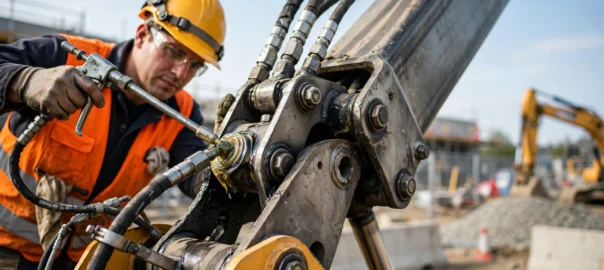
The breaker requires hydraulic flow. The excavator must have an auxiliary circuit. The flow rate must match the breaker specification. Check the machine manual to ensure the mini excavator attachment is compatible.
A contractor in Florida added a hydraulic breaker mini excavator attachment to his machine. He started taking pool removal jobs. He broke the pool shell in four hours, charging $3,500 per pool. His breaker cost $6,000. It paid for itself in two days.
An auger is a drilling mini excavator attachment that mounts on the excavator arm. It replaces the bucket. The auger uses a helical screw to drill into the ground. The screw lifts soil out of the hole. The hole is clean and straight.
The auger turns the excavator into a drilling machine. It drills fence post holes. It drills foundation piers. It drills tree planting holes. With an auger, one machine drills all the holes in seconds, ending slow and tiring manual work.
The cost of an auger attachment ranges from $800 to $2,500. This mini excavator attachment pays for itself quickly. A fencing job with 50 posts can earn $1,500 to $2,500. The auger completes the holes in one hour.
The auger requires a compatible mount. The excavator must have the correct coupler. The mini excavator attachment must match the machine size. A larger excavator uses a larger auger. Maintenance includes checking the cutting teeth and hydraulic motor for leaks.
A contractor in Ohio added an auger mini excavator attachment to his fleet. He started taking fencing jobs. He drilled 60 post holes in two hours. He charged $2,000 for the installation. His auger cost $1,200. It paid for itself on the first job.
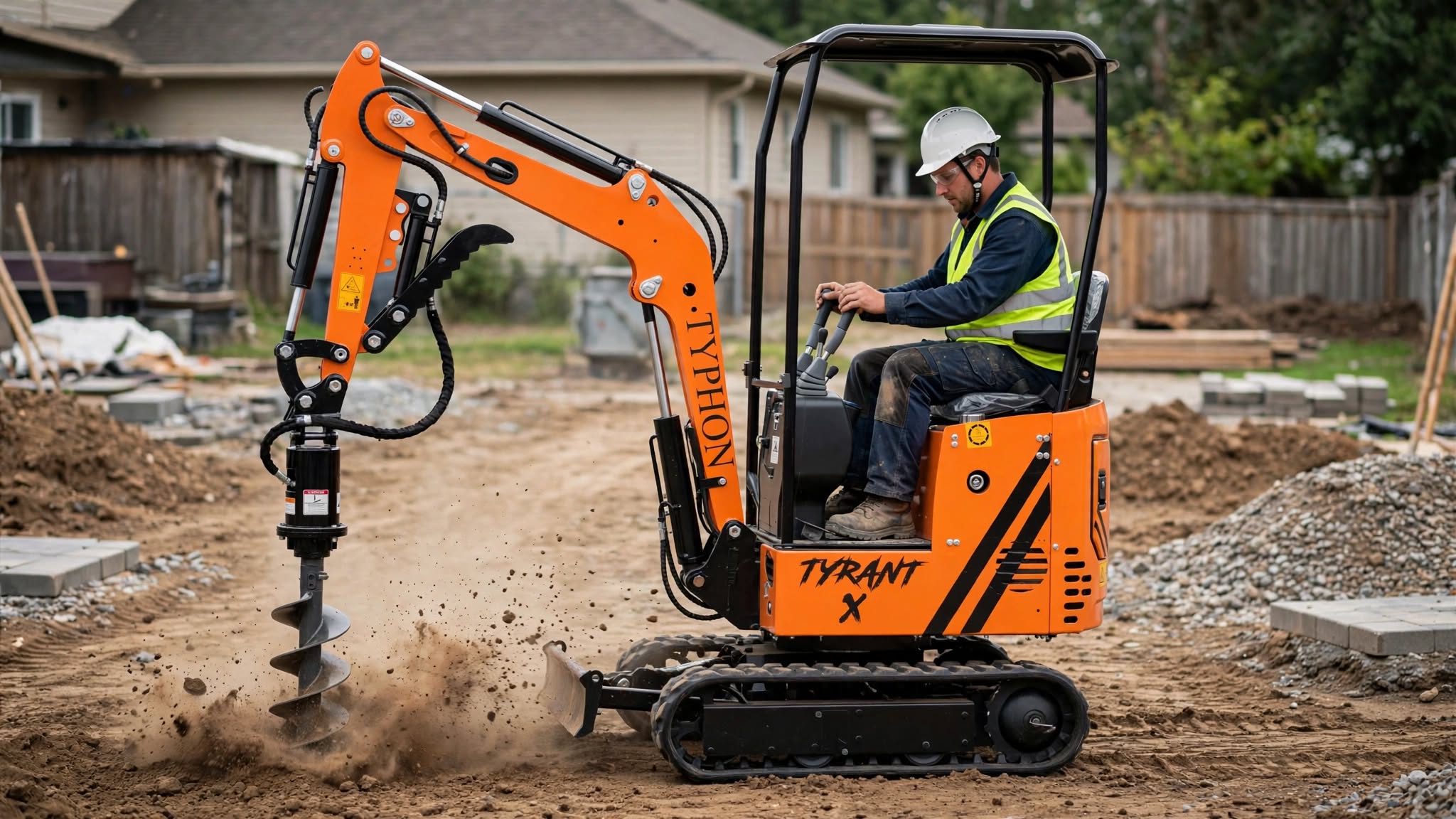
These three attachments cover the most common jobs. A thumb handles grabbing and placing. A breaker handles demolition and rock breaking. An auger handles drilling and hole making.
Together they transform the mini excavator. The machine digs. It grabs. It breaks. It drills. The operator takes on more jobs. The machine earns more revenue.
Other attachments exist. Buckets, rippers, compactors, and grapples are available. But finding the right mini excavator attachment like a thumb, breaker, or auger delivers the highest return. They address the most frequent customer needs. They pay for themselves fastest.
A mini excavator with a bucket earns $75 to $100 per hour. The operator takes digging jobs. The work is steady, but the revenue is limited.
A machine equipped with a premium mini excavator attachment earns $100 to $150 per hour. The operator takes digging jobs. The operator takes grabbing jobs. The operator takes demolition jobs. The operator takes drilling jobs. The revenue increases.
Consider a 40-hour work week. A bucket-only machine earns $4,000 per week. A machine with attachments earns $5,000 to $6,000 per week. The difference is $1,000 to $2,000 per week. Over a year, the difference is $50,000 to $100,000.
The attachments cost $5,000 to $12,000 total. The investment returns 5 to 10 times in the first year. No other investment delivers this return.
Check the machine specifications. The excavator must have an auxiliary hydraulic circuit. The flow rate must match the attachment requirements. The coupler must match the attachment mount. Consider the work in the local market.
Start with one mini excavator attachment. The thumb is the most versatile. It handles many tasks. It costs the least. It delivers immediate value.
Add a second mini excavator attachment. The auger serves the fencing and landscaping markets. The breaker serves the demolition and construction markets. Choose based on local demand.
Add a third mini excavator attachment. The machine becomes a multi-purpose tool. The operator takes on any job. The revenue potential doubles.
Every mini excavator attachment requires maintenance. Grease the pivot points. Check the hydraulic hoses. Inspect the welds. Replace worn parts. Proper maintenance extends attachment life.
Store attachments indoors. Protect them from rain and snow. Rust damages metal components. A covered storage area keeps attachments in good condition. Use the correct hydraulic oil to prevent damage to the attachment motor.
Train the operator on proper mini excavator attachment use. Improper operation damages the attachment. The operator must understand the controls. The operator must know the limitations. Training prevents costly mistakes.
Three attachments double the machine value. Adding a mini excavator attachment like a thumb clip grabs and places. A hydraulic breaker demolishes and breaks. An auger drills holes.
- Total Cost: $5,000 to $12,000
- Revenue Increase: $50,000 to $100,000/yr
- Return on Investment: 5 to 10 times
- Payback Period: Less than a month
- Transforms digging into demolition & drilling
- Reduces heavy manual labor instantly
- Boosts hourly billing rates substantially
The mini excavator becomes a complete tool. It digs. It grabs. It breaks. It drills. The operator takes on more jobs. The machine earns more money. The business grows.
Start with one mini excavator attachment. Add more as the business grows. The machine value doubles. The revenue doubles. The investment pays off.
Ready to unlock your machine’s full earning potential? Browse our full selection of premium hydraulic attachments engineered for excavators 2 tons and below.
Shop Excavator Attachments →